
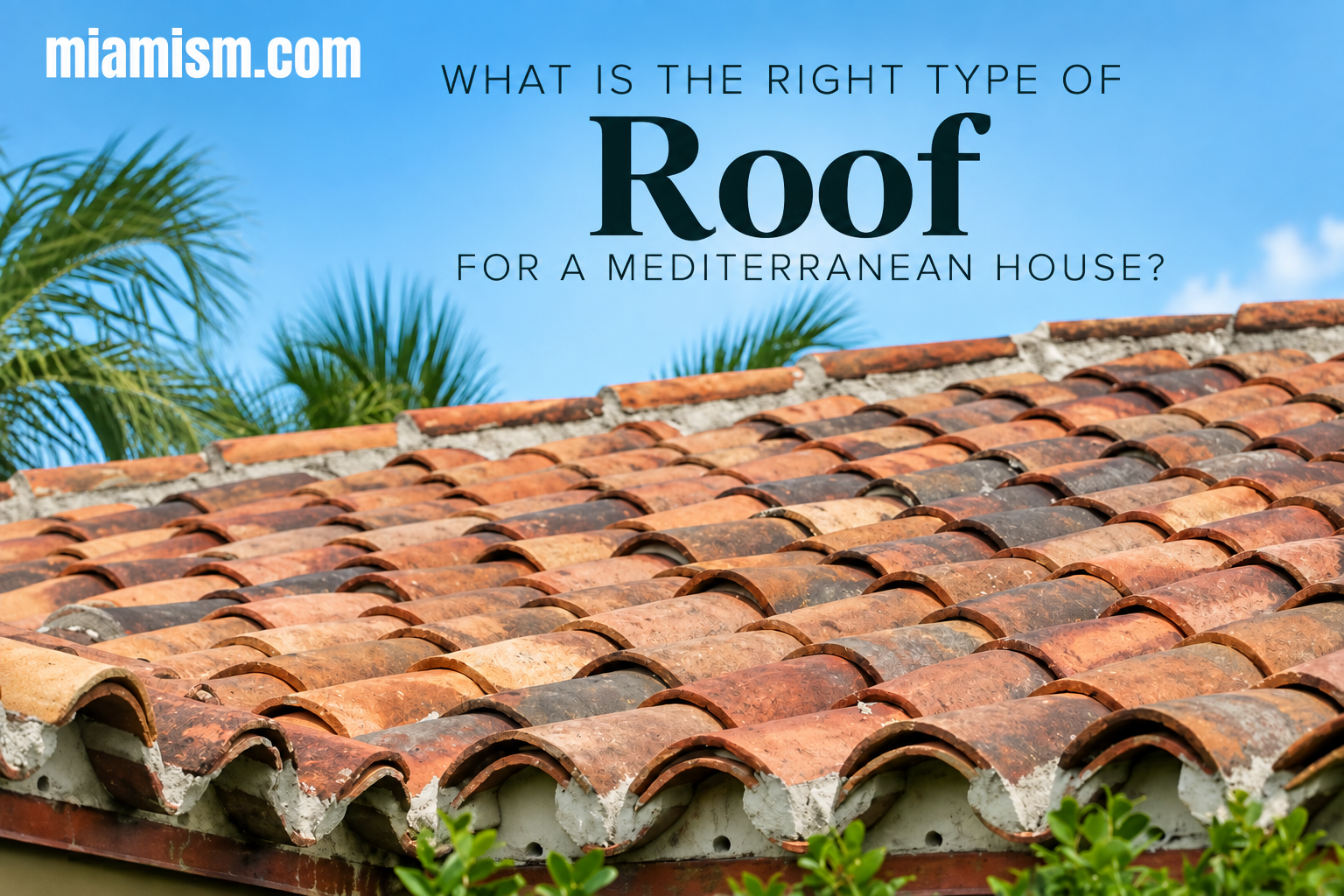
I originally wrote about this years ago, and I still get asked the same question: What is the right type of roof for a Mediterranean Revival home?
It actually makes me happy when someone asks because it means people who buy historic homes are paying attention to the details that make these houses special.
The answer, however, is a little more complicated than simply saying, “The correct roof is barrel tile.”
There are many types of barrel tile, and not all barrel tiles are historically appropriate for a Mediterranean Revival home. Historic Spanish-Med homes throughout Miami, particularly those built during the 1920s, were often roofed with Historic Cuban Barrel Tile. And that tile has a history of its own.
What Is Historic Cuban Barrel Tile?
Historic Cuban Barrel Tile is one of the key elements found in Mediterranean Revival architecture.
I say key because the roof is one of the most visible architectural elements of a house. Put the wrong roof on a beautiful historic home and something immediately feels off, even if you can’t quite identify why.
Historic Cuban Tile is handmade or hand-processed natural clay barrel tile. The term generally refers to tile made in Cuba before the U.S. embargo, as well as older Spanish tile that was salvaged from buildings in Cuba and imported into the United States during the 1920s and 1930s.
These tiles weren’t manufactured to look perfectly identical. Their variations in shape, texture and color are part of their character, and collectively they create the aged, informal appearance we associate with many of Miami’s original Mediterranean Revival roofs.
The National Park Service considers the shape, color, pattern and texture of historic clay tile important characteristics when preserving a historic roof.
Can Historic Cuban Barrel Tile Be Reused?
If you have a home with original Historic Cuban Barrel Tile and it’s time to replace the roof, don’t automatically let someone throw that tile away.
This is where hiring the right roofer becomes critical.
A roofer who specializes in historic homes should know how to carefully remove the existing tile and determine what can be salvaged. Not every piece will survive or be suitable for reuse, but usable original tile can often be incorporated into the new roof.
The Secretary of the Interior’s Standards favor repairing historic materials when possible rather than automatically replacing them. When replacement is necessary, the new material should be compatible with the historic character of the property.
That doesn’t mean every tile on the new roof needs to be original. A replacement roof can incorporate compatible new tile with salvaged historic pieces used strategically in visible areas, including caps, ridges and roof edges.
Replacing a Historic Cuban Barrel Tile Roof
If the original Historic Cuban Tile is already gone, don’t panic. There are still ways to build a historically appropriate roof.
Salvaged Historic Cuban Tile can sometimes be purchased, but that isn’t the only option. Modern handmade clay barrel tile, or tile manufactured to reproduce the irregular appearance of traditional handmade tile, can help achieve the character of the original roof without pretending that new material is historic.
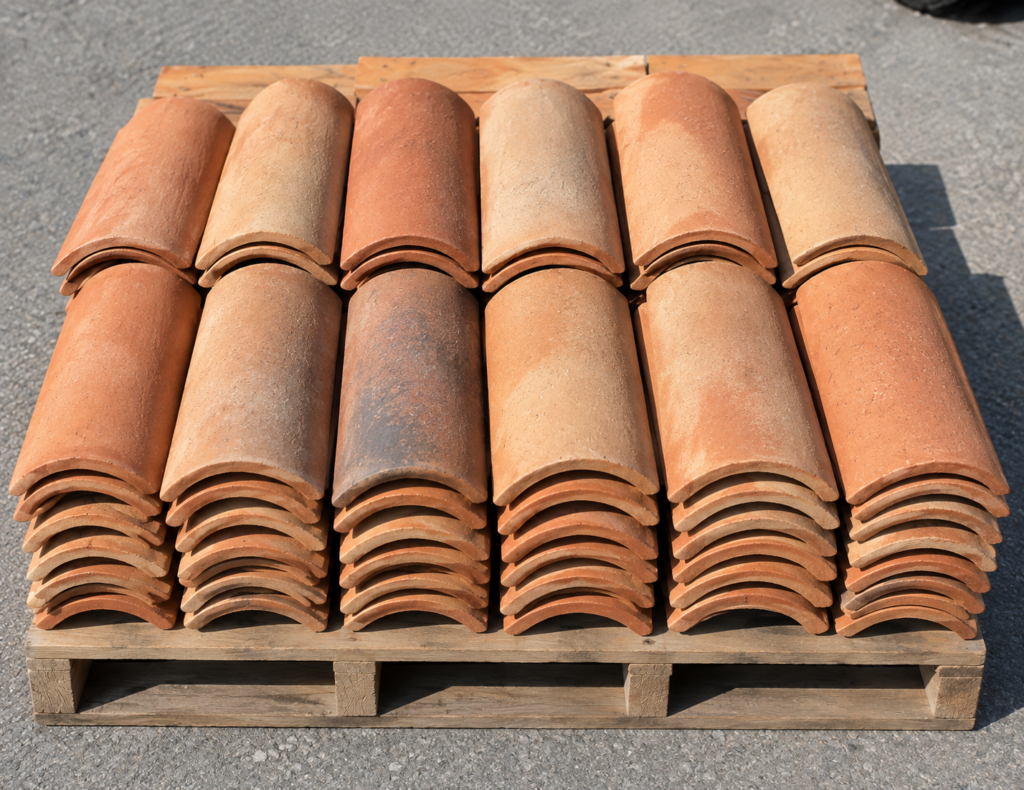
Modern handmade clay barrel tile can provide the variation in color, texture and character needed when original historic tile isn’t available.
And here’s something that’s easy to overlook: the tile itself is only part of the equation. How it is installed matters.
Traditional barrel tile roofs use pan tiles and cap tiles. The pan tiles form the channels of the roof, while the cap tiles overlap them.
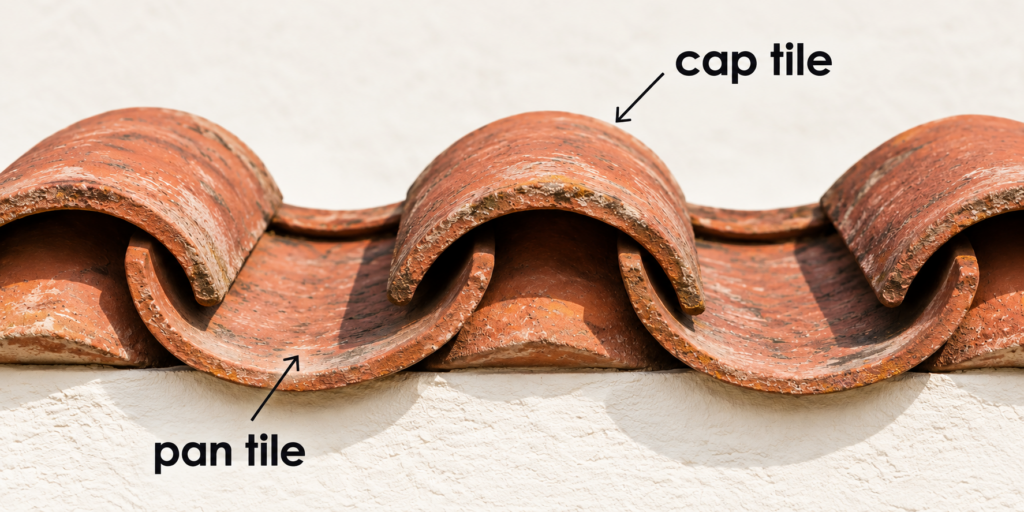
Historic roofers may also use details such as double caps and specific treatments along the roof edge to recreate the character of the original installation. Those details may sound insignificant, but they’re exactly the kinds of things that determine whether a new roof looks appropriate on an old house or looks like a brand-new roof that happens to be sitting on one.
Does the Roofer Matter on a Historic Home?
Absolutely.
Someone can be an excellent roofer and still not understand historic roofs.
If you’re replacing a roof on a Mediterranean Revival home, ask specifically about experience with historic properties, handmade clay tile and salvaged tile. Ask how the existing tile will be removed, what they expect to salvage and how the old and new material will be incorporated into the installation.
And look at their previous work.
Knowing how to install a tile roof and knowing how to restore a historic tile roof are not necessarily the same thing.
Should Historic Clay Tile Roofs Be Pressure Cleaned?
This was a big issue when I originally wrote about historic roofs, and it’s still something owners should approach carefully.
Historic clay tile is porous, and old tile can become increasingly fragile with age. The mold, color variation and weathering that develop over time are also part of that aged character. Trying to make an old clay roof look brand new isn’t necessarily doing the house any favors.
The Secretary of the Interior’s Standards recommend using the gentlest means possible when cleaning historic materials and avoiding treatments that cause damage.
So before anyone pressure cleans an old clay tile roof, find out exactly what you have and talk to someone who understands historic roofing materials.
Where Can You Find Historic Roof Preservation Guidelines?
When in doubt, don’t guess.
The Secretary of the Interior’s Standards for Rehabilitation are an excellent starting point for understanding how historic materials and character-defining features should be treated.
For roofs specifically, the National Park Service’s Preservation Brief 30: The Preservation and Repair of Historic Clay Tile Roofs goes into much more detail about historic clay tile, deterioration, repair, replacement and installation.
And if your home is individually designated or located within a historic district, check local preservation requirements before replacing the roof. What requires review or approval depends on the property and jurisdiction.
The Miamism Take
A Mediterranean Revival roof isn’t supposed to look perfect.
The variations in the clay, the different tones, the irregularities and even the way the roof ages are part of what gives these homes their character. Take all of that away and replace it with something perfectly uniform, and you’ve changed much more than the roof.
If you’re fortunate enough to still have original Historic Cuban Barrel Tile, know what you have before anyone starts removing it. If the original tile is already gone, there are ways to create a roof that respects the architecture without trying to fake history.
The goal isn’t to make an old house look new. It’s to take care of what makes it worth preserving.
Frequently Asked Questions
Is all barrel tile appropriate for a Mediterranean Revival home?
No. Barrel tile comes in different profiles, materials, colors and finishes. On a historic Mediterranean Revival home, the roof should be compatible with the scale, texture and character of the original architecture.
Can you still buy Historic Cuban Barrel Tile?
Salvaged Historic Cuban Tile may be available through specialty suppliers. Modern handmade clay tile can also be an appropriate alternative when original material isn’t available or practical.
Do I need approval to replace the roof on a historic home?
Possibly. If the property is individually designated or located within a historic district, roof replacement may be subject to local historic preservation requirements. Check with the appropriate local authority before selecting materials or beginning work.
Thinking About Selling Your Historic Miami Home?
Historic homes aren’t like every other property, and they shouldn’t be marketed that way.
We know the architecture. We understand the details that make these homes special, from Cuban tile and original windows to the things buyers may walk right past without realizing their significance. More importantly, we know how to tell that story to the audience looking for exactly this kind of home.
Historic Miami real estate has always been one of our fortes. If you’re thinking about selling your historic home, call us. We’ll make sure the right buyers understand what they’re looking at and why it matters.
Leave a Reply
You must be logged in to post a comment.