
When people think of Miami, they usually picture the beach, Ocean Drive, or Wynwood Walls. Those places deserve the attention, but they’re only part of the story.
As an architect and someone who’s called Miami home for more than four decades, I’ve always been drawn to the places that many people drive past without realizing their significance. Some are architectural masterpieces. Others are reminders of the people, ideas, and moments that helped shape the city we know today.
These aren’t necessarily Miami’s most famous landmarks, but I think they help define who we are.
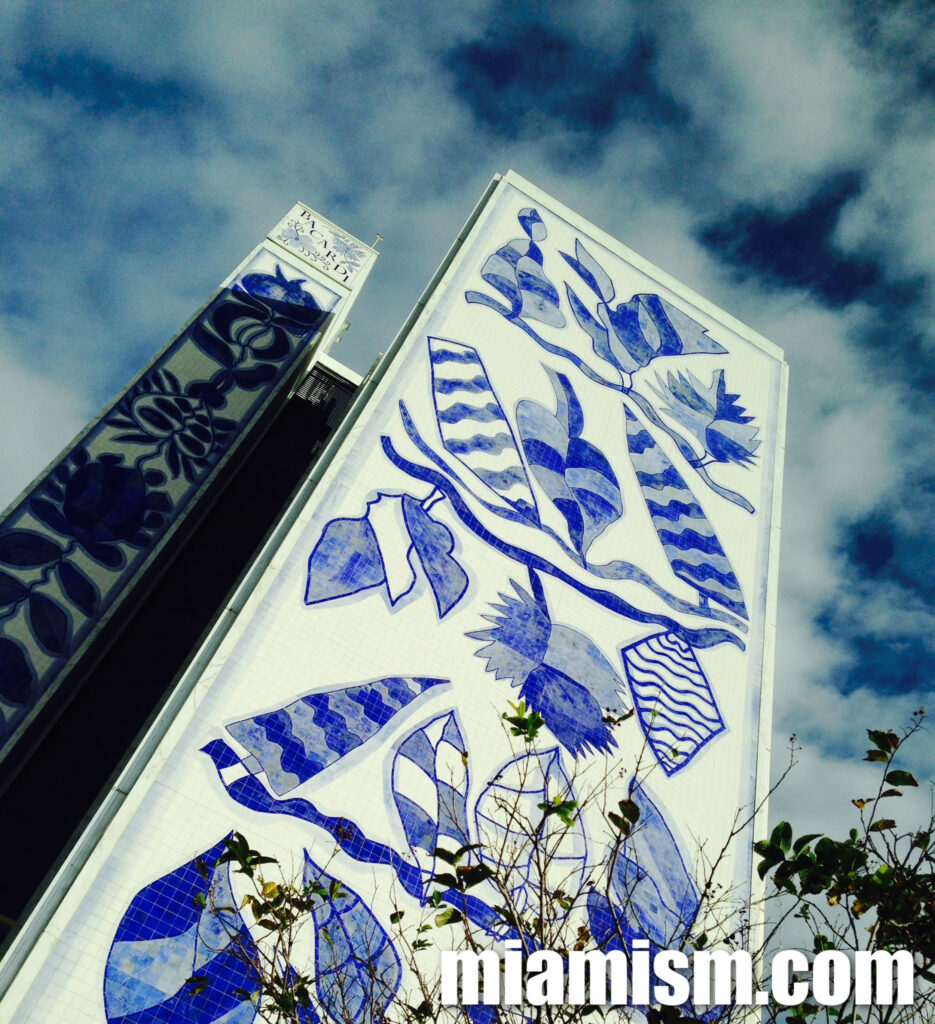
1. Bacardi Building
You’ve probably driven by the Bacardi Building hundreds of times without ever really noticing it. And that’s a shame, because it’s one of Miami’s architectural treasures.
Designed by architect Enrique Gutiérrez as Bacardi’s U.S. headquarters, it’s one of my favorite examples of Modern architecture in the city. Today, the building is home to the National YoungArts Foundation, and one of my real estate offices sits directly across the street, so I get to enjoy it on a regular basis. I still catch myself looking up every time I walk outside.
And don’t miss the Jewel Box right behind it. Resting on its unmistakable orange base, its colorful stained glass artwork is just as bold and unexpected as the Bacardi Tower itself.
Here’s an article I wrote back in 2018
(address: 2100 Biscayne Blvd – Miami, FL 33137)
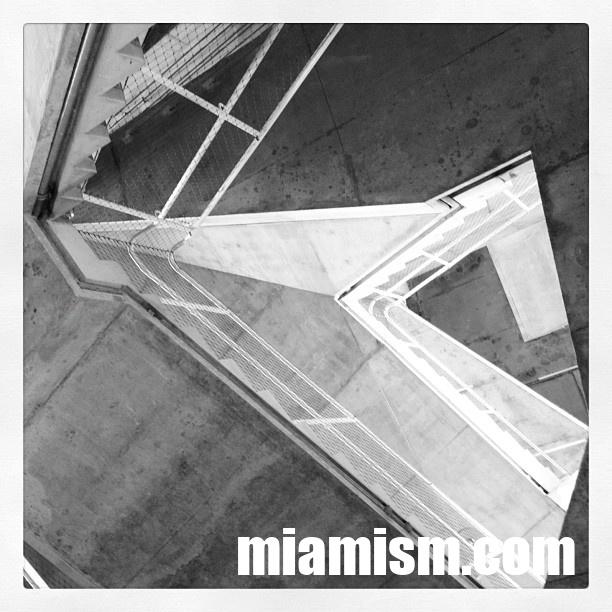
2. 1111 Lincoln Road
This may be one of my all-time favorite buildings in Miami, even if it is a parking garage.
When Herzog & de Meuron’s design was first unveiled, the exposed concrete structure caused quite a stir. It wasn’t what people expected, and that’s exactly what makes it so memorable.
I can spend hours photographing this building. Every angle feels different. Every level reveals a new perspective. Sometimes it reminds me of an M.C. Escher drawing, where your eye keeps following lines and wondering how everything fits together. It’s part sculpture, part parking garage, and one piece of architecture I never get tired of visiting.
Here’s an article I wrote back in 2021
(address: 1111 Lincoln Road, Miami Beach, FL 33139)
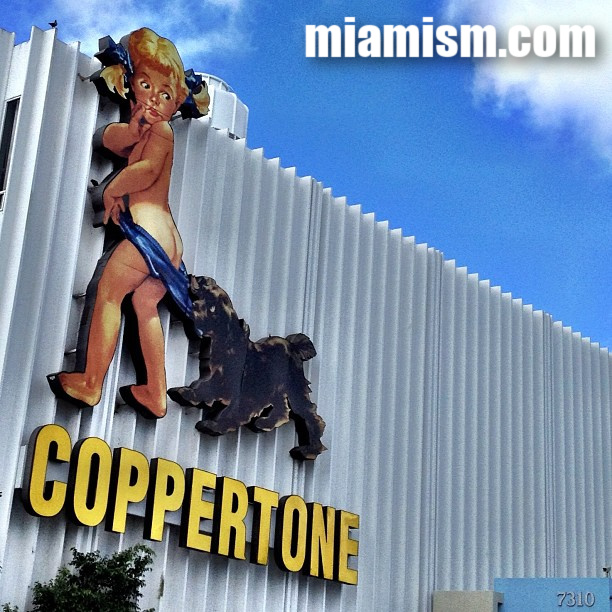
3. The Coppertone Sign
If you grew up in Miami, you probably remember the Coppertone sign. For years, it was one of those landmarks that let you know exactly where you were. When it disappeared, it felt like a little piece of Miami disappeared with it.
Thankfully, a passionate group of preservationists made sure that didn’t happen. The sign was restored and relocated to the MiMo District, where it continues to celebrate a different era of Miami, one defined by roadside architecture, neon, and optimism.
I love that Miami chose to preserve it. Cities don’t just need grand monuments. Sometimes they need reminders of the little things that made them memorable.
Here’s an article I wrote back in 2009
(address: 7300 Biscayne Blvd, Miami, FL 33138)
4. Alhambra Water Tower
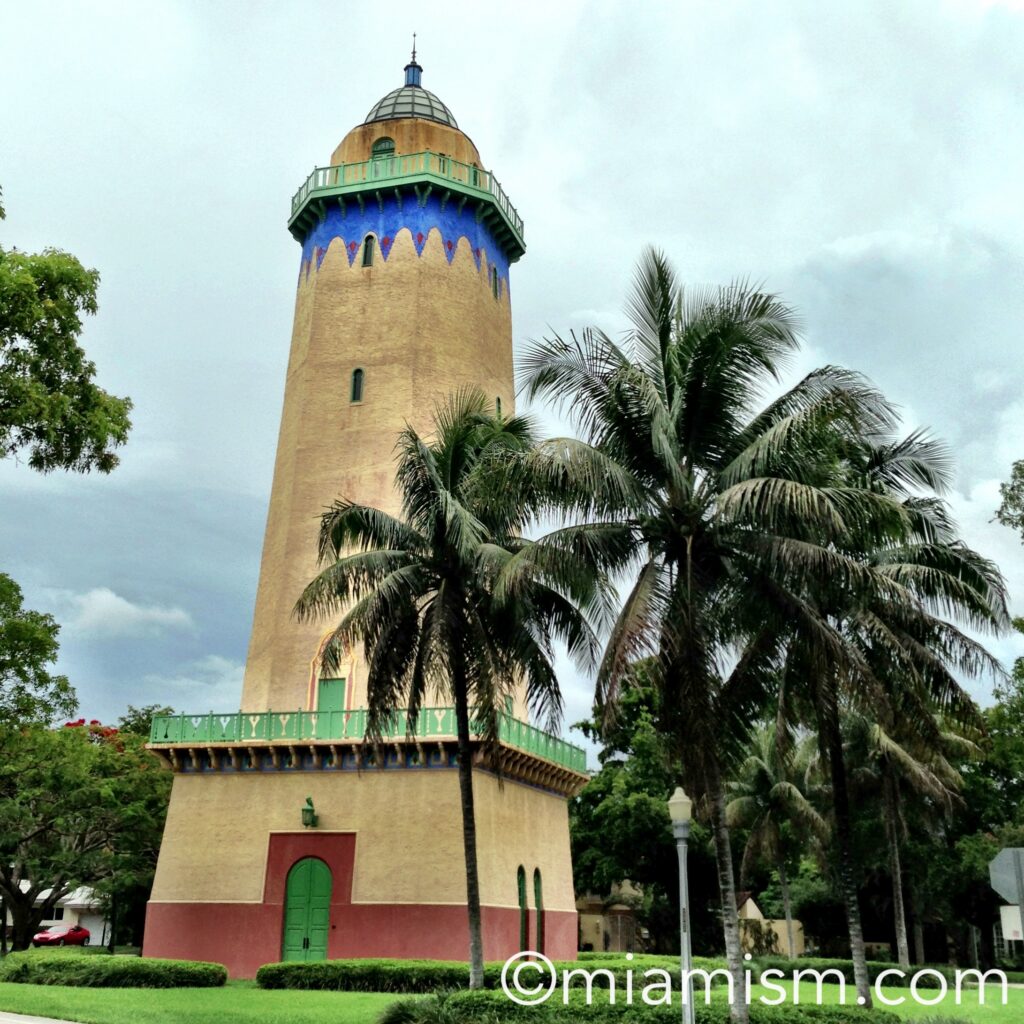
Coral Gables has no shortage of beautiful landmarks, yet somehow the Alhambra Water Tower still flies under the radar.
Built in 1924, it wasn’t designed to look like a water tower at all. George Merrick wanted to conceal the steel water tank inside a Mediterranean Revival tower because his vision for Coral Gables extended beyond function. He was creating an idealized city where even utilitarian structures became part of the fantasy.
It’s one of those landmarks that reminds me Coral Gables wasn’t just planned. It was imagined.
Here’s a Miamism Fridays from 2010
(address: 2000 Alhambra Circle, Coral Gables, FL 33134)
5. Temple Israel
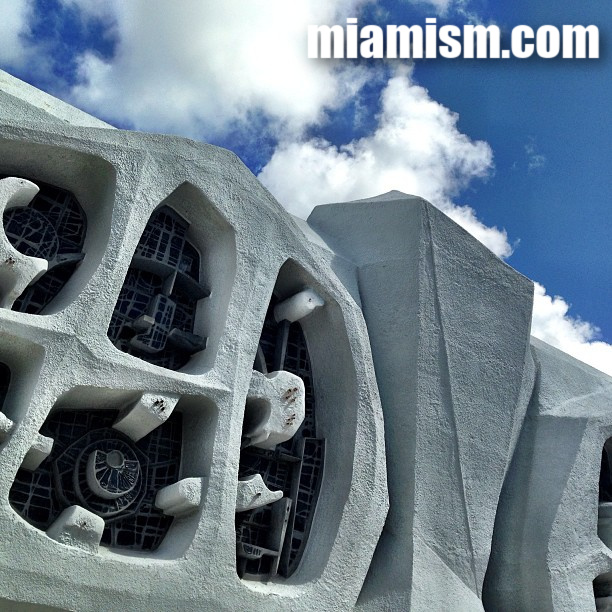
Temple Israel is easy to overlook as you drive through Edgewater, but it’s one of Miami’s most important historic buildings.
Founded in 1922 as South Florida’s first Reform Jewish congregation, its historic sanctuary, designed by Robertson & Patterson, blends Moorish and Neo-Gothic influences in a way that almost feels Gaudí-inspired. It’s unlike anything else in Miami and worth slowing down to appreciate, even if you’re simply driving by.
(address: 137 NE 19th Street, Miami, FL 33132)
6. South Pointe Park
I never really need a reason to go to South Pointe Park.
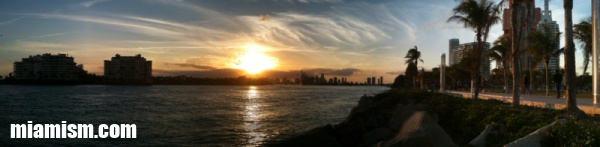
Some days it’s to walk out onto the pier. Other days it’s to sit by the water and watch the cruise ships pass through Government Cut. The sculptures, open green spaces, winding paths, and endless views make it one of those places that always feels alive.
If you spend enough time there, you’ll notice people fishing, families picnicking, rollerblading, practicing yoga, and sometimes even doing acrobatics on the lawn as the sun begins to set. It captures something I love about Miami. We’re a city that lives outdoors.
(address: 1 Washington Ave, Miami Beach, FL 33139)
7. Hotel Victor
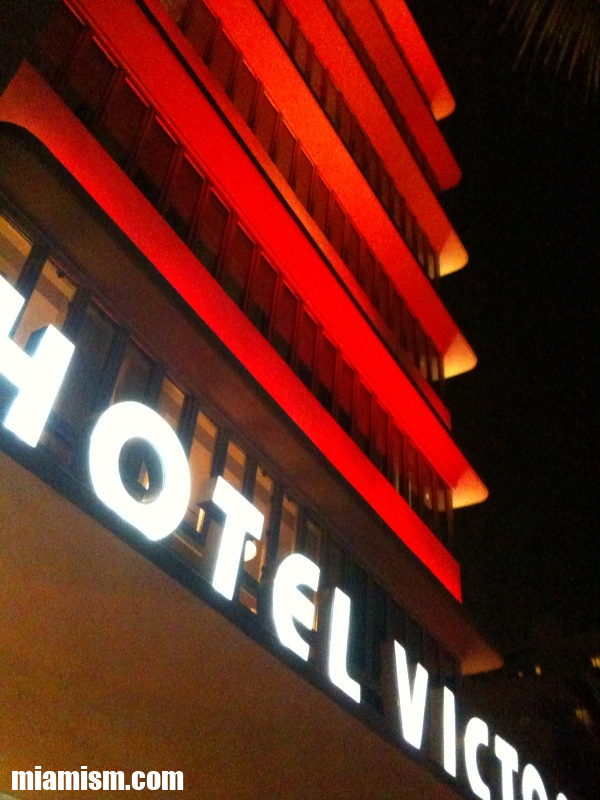
Ocean Drive has no shortage of beautiful Art Deco buildings, but Hotel Victor always pulls my attention.
Designed by L. Murray Dixon, it’s one of my favorite examples of Art Deco transitioning into Streamline Moderne. I love its proportions, the graceful curves, and the way the neon feels like it was designed with the building instead of added later. At night, the soft glow makes it feel every bit as glamorous today as it must have decades ago.
Here’s a Miamism Fridays from 2012
(address: 1144 Ocean Dr, Miami Beach, FL 33139)
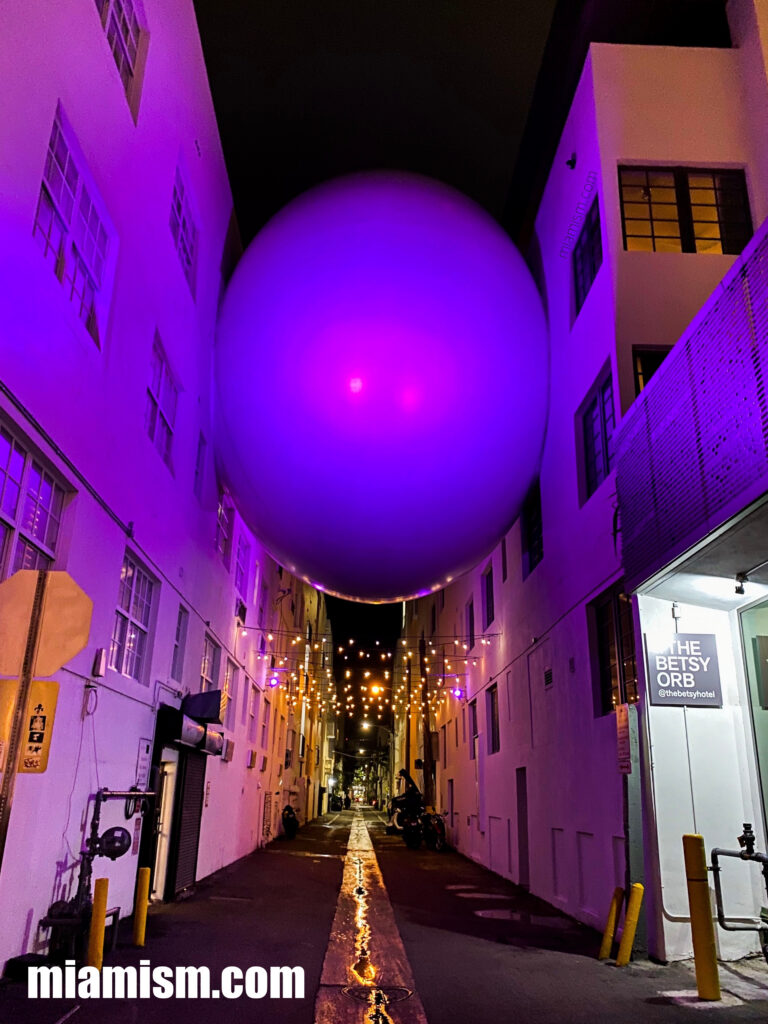
8. The Orb at The Betsy
One of my favorite surprises in Miami Beach is hidden in plain sight.
The Orb connects the historic Betsy Hotel with its contemporary addition designed by architect Allan Shulman. What could have been an ordinary passage between two buildings became an experience instead.
It’s one of those places that reminds me architecture isn’t just about buildings. It’s about how people move through them.
(address: 1440 Ocean Dr, Miami Beach, FL 33139 – on the alley)
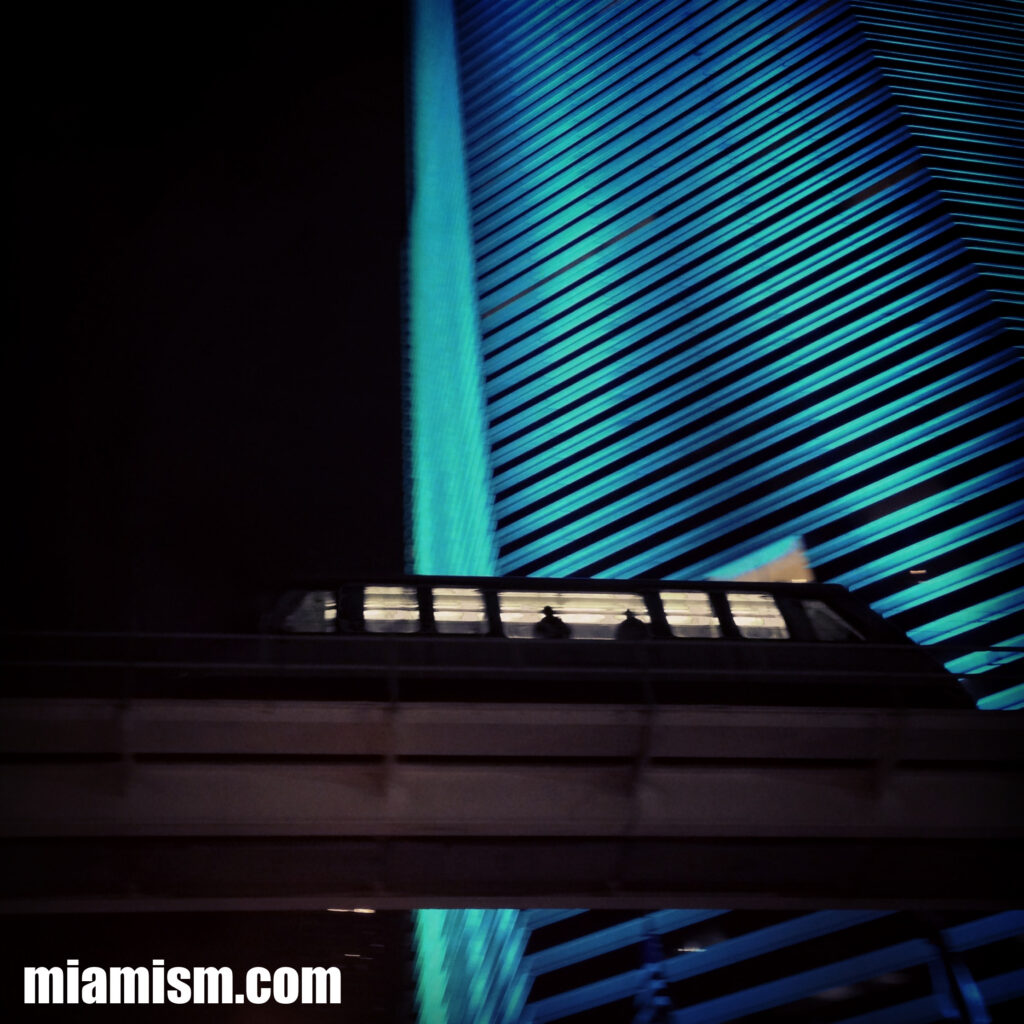
9. Miami Tower
I can’t remember a Miami skyline without the CenTrust Tower. That probably ages me a bit, but it will never quite be the Miami Tower in my mind.
Designed by I. M. Pei & Partners, it’s an elegant building during the day. At night, it’s when the fun begins.
I still catch myself looking up to see what colors it’s wearing. One night it’s celebrating another country with the colors of its flag. The next it’s pink for Breast Cancer Awareness Month, orange and teal for the Dolphins, or lit up for one of Miami’s many celebrations. Somehow it always seems to be part of whatever the city is celebrating.
Here’s an article I wrote back in 2017
(address: 100 Southeast 2nd Street, Miami, FL 33131)
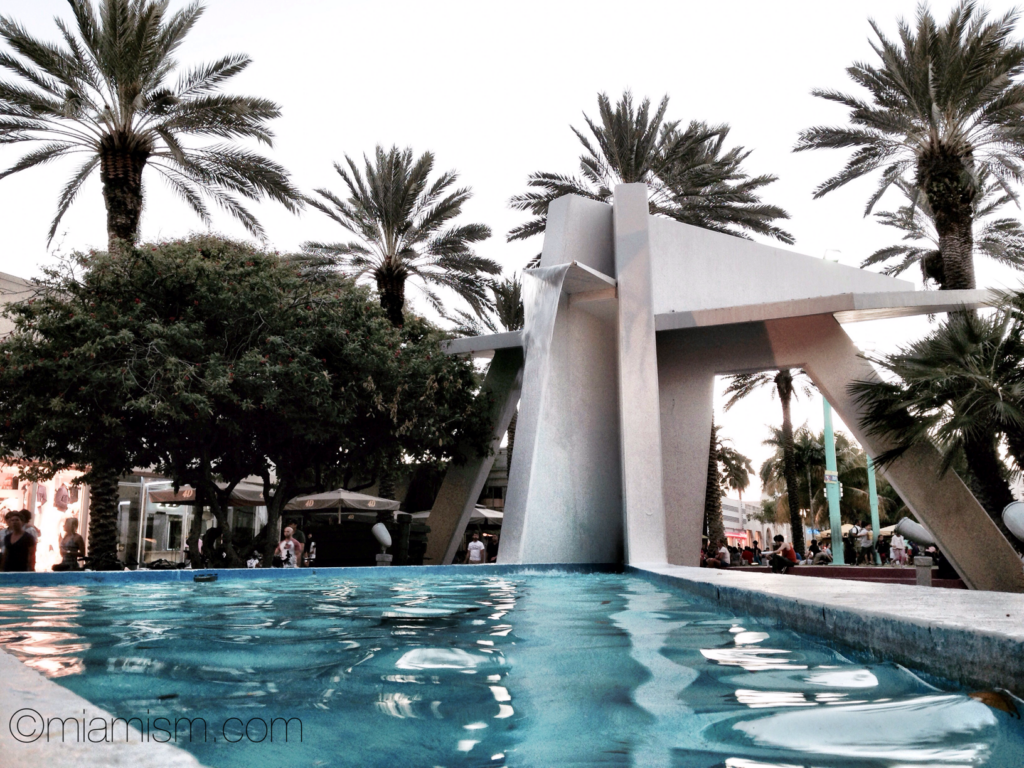
10. Morris Lapidus Follies
Few architects have influenced Miami Beach more than Morris Lapidus.
The follies on Lincoln Road celebrate the architect whose playful, theatrical approach forever changed the look of Miami Beach. Their sweeping curves and sculptural forms feel perfectly at home here.
Years after they were installed, I still think they pull Lincoln Road together. They’re the glue that ties the pedestrian mall together, creating moments where people stop, gather, take photos, or simply sit and enjoy one of Miami Beach’s most iconic public spaces.
Here’s a Miamism Fridays about Morris Lapidus
(address: Lincoln Road Mall, Miami Beach, FL 33139)
Final Thoughts
What I love about these landmarks is that they tell a different story than the postcards.
Some celebrate architecture. Others preserve history or culture. Together, they paint a richer picture of Miami than beaches and palm trees ever could.
The next time you’re exploring the city, slow down. Look up. Take a detour.
You might discover that the places you remember most aren’t always the ones everyone else is talking about. They’re the ones that quietly tell the story of Miami.